Which is Better Value? Jbl Bar 1000Mk2 Soundbar vs Tcl Qm9K Compared
Choosing a soundbar has become as important as choosing a TV for many buyers. The right audio system can transform movies, TV shows, music, and games, and two models that often surface in buyer conversations are the JBL Bar 1000Mk2 and the TCL QM9K. This article compares them from the perspective most buyers care about: real-world performance, features, setup, and long-term value. It breaks down strengths and trade-offs so readers can match a product to their room, content habits, and priorities.
Introduction: What buyers usually want
When evaluating soundbars, buyers typically care about several consistent themes: immersive home-theater experience (especially Dolby Atmos), clear dialogue, bass that feels “real” without taking over, connectivity with modern TVs and consoles (HDMI eARC, passthrough), ease of setup, and price-to-performance value. Beyond specs, practical concerns such as size, placement, and whether the bar ties into an existing smart-home setup matter a great deal.
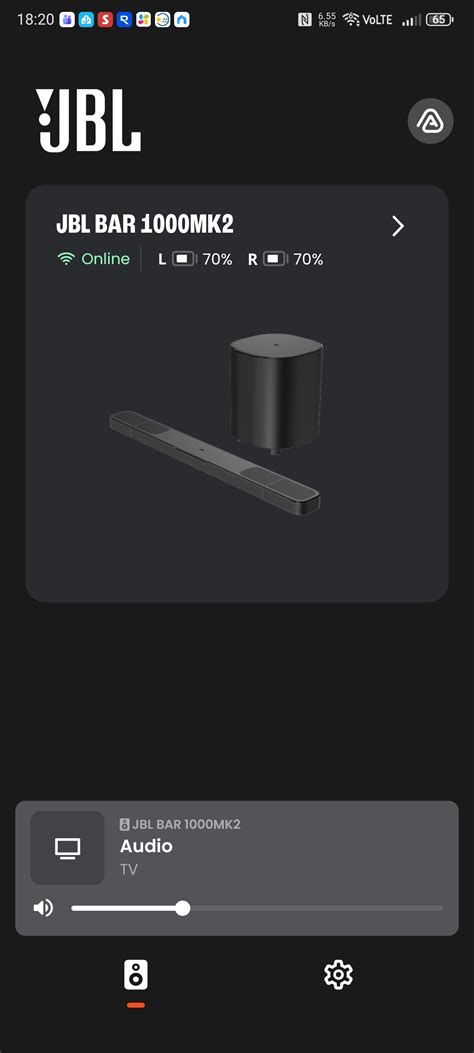
Both the JBL Bar 1000Mk2 and the TCL QM9K aim at buyers who want more than the TV’s built-in speakers but without the complexity of a full AV receiver and discrete speaker setup. This comparison will focus on how each system performs in typical living rooms, how flexible they are for mixed use (movies, music, gaming), and which buyer profiles are best suited to each.
Design and build
JBL Bar 1000Mk2
The JBL Bar 1000Mk2 follows JBL’s design language: a relatively low-profile elongated bar intended to sit under a TV or be wall-mounted. The finish tends to be understated—textured grille across the front with a sturdy chassis. The package often includes a separate wireless subwoofer and, depending on configuration, satellite or upward-firing modules to enhance height effects. Build quality is typically solid, designed to be forgiving in family rooms where children and guests are common.
TCL QM9K
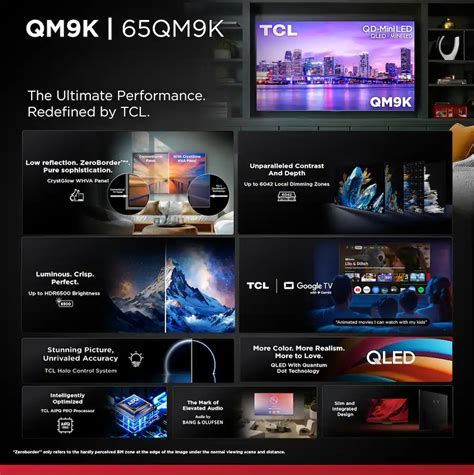
TCL’s QM9K aims for a modern, streamlined presence that pairs visually with TCL’s TV lines. The bar emphasizes a clean silhouette and compact footprint, so it’s easy to place in smaller setups. Like many contemporary soundbars, its subwoofer is wireless, allowing flexible placement. The design choices on the QM9K prioritize unobtrusive integration with a living room while offering enough surface area for grill-mounted drivers that aim for wide dispersion.
Sound signature and real-world performance
Sound signature and perceived performance are where listeners will feel the biggest differences. These sections discuss how each system behaves for key real-world use cases.
Movies and TV shows
For movie fans seeking an immersive experience, both models support object-based audio and height effects. The JBL typically prioritizes a bold, dynamic presentation: impactful low end, emphasized center-channel clarity for dialogue, and dramatic peaks for action scenes. That character tends to deliver a cinematic “wow” during trailers and blockbuster moments.
The TCL balances clarity and detail with a slightly more neutral tilt. It often renders vocals and midrange detail with less coloration, which helps with dialogue-heavy TV shows and dramas. The QM9K’s imaging aims to place sounds across the front and above the listening position without overstating the bass.
Music listening
Music lovers should note the difference in tuning. The JBL’s stronger bass and lively presentation work well for pop, EDM, and modern production where the low end is part of the appeal. However, that tuning can sometimes mask subtler instrumental textures unless EQ is adjusted.
The TCL tends to preserve more midrange detail and separation, which benefits acoustic, classical, and vocal-focused music. If the user listens to a wide variety of genres and prefers an accurate timbre, the QM9K’s balance is appealing.
Shop the latest TVs & Home Theater picks on Amazon.
View Offers →Gaming
Gamers will value low-latency HDMI passthrough and clear positional cues. Both systems generally include HDMI eARC/ARC support and passthrough for 4K video, but the gaming experience depends on how each soundbar handles transient response and surround imaging. The JBL’s energetic presentation can make explosions and footsteps feel immediate, while the TCL may give clearer spatial cues that help with directional awareness in competitive titles.
Features and connectivity
Modern buyers expect robust connectivity and smart features. This section reviews typical inclusions and how they affect day-to-day use.
- HDMI/eARC: Both models provide HDMI connectivity and support for modern TV audio return features so advanced audio formats can be passed from TV to soundbar with minimal fuss.
- Wireless audio: Bluetooth is standard for quick streaming from phones. Some models also include Wi‑Fi streaming, AirPlay, or Chromecast built in; buyers should confirm the exact feature set if wireless multiroom or native streaming apps matter.
- Voice assistants: Voice control integration varies by region and firmware; some users will appreciate built-in microphones for hands-free volume and playback control, while others will rely on TV or smart speaker integration.
- Calibration and sound modes: Room or adaptive calibration improves realism by measuring the listening environment and adjusting output. EQ presets (movie, music, night) are useful for quick tuning without diving into manual adjustments.
Setup and day-to-day usability
Ease of setup is a practical measure of value. Most buyers want a straightforward out-of-box experience, minimal cables, and reliable wireless connections.
The JBL often emphasizes a plug-and-play experience: connect HDMI eARC, pair the subwoofer wirelessly, and the system auto-detects audio formats. Its remote and app (when available) provide quick access to modes and EQ. The QM9K similarly aims for a simple setup, with compact dimensions that simplify placement under a TV or on a shelf. Both systems support wall-mounting and can be paired with TV remotes through HDMI CEC for basic control.
In real homes, wall reflective surfaces, room size, and furniture layout affect performance. The JBL’s stronger bass benefits larger, open-plan rooms; the TCL’s clarity often suits medium or smaller living rooms where excessive bass would overwhelm the space.
Reliability, software, and support
Longevity and firmware updates matter for long-term value. Buyers should check warranty terms and manufacturer support reputation in their region. JBL and TCL are established consumer brands with widespread service networks, but experiences vary locally. Firmware updates can improve features and fix bugs—confirm whether the soundbar receives updates via Wi‑Fi or requires manual installation.
Pros & cons
JBL Bar 1000Mk2
- Pros: Punchy, cinematic sound; generous bass response; strong presence for movies and action content; straightforward setup for home theater enthusiasts.
- Cons: Tuning can be colored toward excitement rather than accuracy; larger footprint and stronger bass may overpower small rooms; some users may prefer more refined midrange for music.
TCL QM9K
- Pros: Balanced, clear midrange ideal for dialogue and music; compact footprint and flexible placement; good imaging and natural timbre for long listening sessions.
- Cons: Less aggressive bass impact compared with some rivals; may feel less "theatrical" during big action scenes; feature availability (voice assistants, streaming platforms) varies by market.
Side-by-side comparison
| Category | JBL Bar 1000Mk2 | TCL QM9K |
|---|---|---|
| Sound character | Bold, energetic, bass-forward — favors cinematic impact | Neutral-to-warm, detail-focused — favors clarity and dialogue |
| Best for | Blockbuster movies, action, parties, listeners who want "punch" | TV dramas, music with complex mids, small-to-medium rooms |
| Immersion/Atmos | Height effects and wide soundstage—strong presence in large rooms | Good height imaging with more restrained dynamics |
| Bass | Powerful and physical—subwoofer-focused | Controlled and musical—less boomy in small rooms |
| Connectivity | HDMI eARC, Bluetooth; Wi‑Fi/streaming options vary | HDMI eARC, Bluetooth; smart features depend on region |
| Size & placement | Larger bar and subwoofer—needs space to breath | Compact bar—easier to place in smaller setups |
| Value proposition | Higher-impact sound for buyers who want theater-like dynamics | Balanced performance for listeners prioritizing clarity and versatility |
Buying guide: How to choose between them
To decide which model is better value for a specific household, consider these practical questions and tips.
1. What content do you consume most?
If movies and high-impact action are the priority, a system tuned for theatrical presence (like the JBL) often feels more satisfying. If the household watches a mix of dialogue-heavy shows and listens to varied music, the TCL’s balanced tuning may be preferable.
2. How large is the room?
Room size dramatically influences perceived bass and soundstage. Larger, open-plan living areas will benefit from a soundbar with a stronger subwoofer and wider dispersion, while small to medium rooms risk being overwhelmed by too much bass.
3. Do you need low-latency for gaming?
Confirm the soundbar’s HDMI passthrough behavior and whether it introduces audible lag with game consoles. For competitive gamers, systems that preserve low latency without compromising audio quality are essential.
Shop the latest TVs & Home Theater picks on Amazon.
View Offers →4. How important is ease of setup and integration?
Look for HDMI eARC support and compatibility with the TV’s remote (CEC), and confirm wireless pairing processes for subwoofers. If the buyer prefers to avoid apps, ensure the remote provides necessary controls and user-friendly presets.
5. Future-proofing and firmware updates
Check whether the manufacturer actively issues firmware updates. Regular updates can add features, improve compatibility, and fix issues discovered after release. A soundbar with a modular or upgrade-friendly approach (for example, detachable satellites or app-enabled tuning) increases long-term value.
6. Audition before buying
Where possible, audition both soundbars using familiar content: a movie scene, a favorite song, and a game segment. Bring a phone with sample tracks and watch the same movie clip on both systems to compare dialogue clarity, bass control, and spatial effects.
7. Consider placement and furniture
Think about whether the soundbar will sit on a TV stand or be wall-mounted. A wall-mounted bar will interact differently with room acoustics. Wireless subwoofers help placement flexibility, but walls and corners still influence low-frequency behavior.
8. Budget and total system cost
Factor in any optional accessories (satellite speakers, wall mounts) and the potential need for calibration. Sometimes a slightly pricier bar that matches the room and usage more closely offers better long-term satisfaction than a lower-cost option that requires compromises.
Practical tips for getting the most value
- Use room correction: Run any built-in calibration or use third-party measurement tools to tune bass and EQ to the room.
- Place the subwoofer thoughtfully: Try corner and mid-wall positions to find the best balance between impact and boominess.
- Keep firmware current: Install updates to improve compatibility and reduce bugs.
- Tailor sound modes: Use dedicated modes for movies, music, and night listening to avoid constantly adjusting the volume or tone.
Conclusion
Both the JBL Bar 1000Mk2 and the TCL QM9K are compelling options in the modern soundbar market, but they target slightly different priorities. The JBL tends to deliver a more dramatic, cinematic experience with stronger low-end authority—ideal for buyers who prioritize blockbuster movies and a “theater-like” feel. The TCL favors a more balanced and accurate presentation that benefits dialogue clarity, music, and everyday TV viewing, and it fits into smaller rooms with fewer placement headaches.
Value depends on which attributes a buyer weights more heavily: if a listener wants visceral impact and room to let bass breathe, the JBL often represents better value for that use case. If the buyer wants all‑round clarity, balanced musicality, and a compact footprint that integrates easily with a mid-sized living room, the TCL QM9K is frequently the better match.
Ultimately, the best approach is to identify the primary use (movies vs. music vs. gaming), measure the listening environment, and—when possible—listen to both units with familiar content. That practical step yields the clearest insight into which soundbar will deliver lasting satisfaction and true value in the buyer’s home.