The Ultimate Showdown: Sigmas 135Mm F 1 4 Dg Art vs Sigma 17 40Mm F 1 8 Dc Art for 2026
Choosing the right lens shapes what photographers can do more than almost any other piece of gear. In 2026, two Sigma Art-series lenses often appear on shopping lists for serious enthusiasts and professionals: a long, fast portrait prime (the Sigmas 135mm f/1.4 DG Art) and a fast wide-to-standard zoom intended for crop-sensor bodies (the Sigma 17–40mm f/1.8 DC Art). This comparison evaluates both from the perspective of real-world use: optical performance, handling, autofocus behavior, build quality, and — most importantly — what each lens enables photographers to capture. The goal is practical guidance for buyers who want to match lens choice to shooting needs rather than specifications alone.
At a glance: what these lenses are for
The two lenses represent opposite design philosophies. The 135mm f/1.4 prime is a specialist tool built around one objective: outstanding subject isolation, creamy bokeh, and maximum control over depth of field for portraits, headshots, fashion, and editorial work. It’s for photographers who prioritize image character and low-light capability and who are comfortable carrying a larger, heavier lens that narrows compositional flexibility.
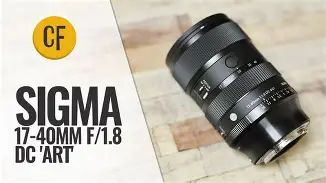
The 17–40mm f/1.8 DC Art is a fast, versatile zoom designed primarily for APS-C (crop sensor) camera systems. With an unusually wide constant aperture across the zoom range, it targets event shooters, travel photographers, documentary and street shooters, and anyone who benefits from covering wide to near-normal focal lengths without opening up the lens between frames. It trades the ultimate bokeh and subject separation of the long prime for compositional flexibility and the convenience of capturing varied scenes without changing lenses.
Detailed product analysis
Sigma 135mm f/1.4 DG Art — what it delivers
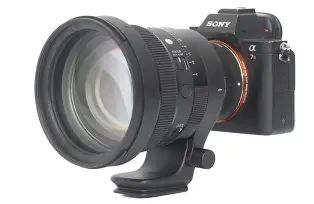
This long, bright prime is designed to deliver strong subject separation and exceptional sharpness in the plane of focus. In the field, the 135mm is prized for:
- Portrait and editorial work: The lens excels at compressing perspective and isolating faces from distracting backgrounds, making it ideal for headshots, magazine-style portraits, and detail-rich editorial shoots.
- Low-light capability: A very wide maximum aperture lets photographers work in challenging light without raising ISO excessively, keeping color and dynamic range cleaner.
- Optical character: The rendering at wide apertures tends to produce a classic, film-like separation between subject and background, something many portrait photographers intentionally seek.
Handling considerations are important: long high-speed primes usually require deliberate shooting technique. The lens will be heavier and longer than typical walkaround optics, and subject framing benefits from slightly greater working distance. Autofocus performance on modern bodies is typically reliable for stationary and gently moving subjects, but fast-moving sports or erratic action is not the prime use case. When it matters most — a face, an expression, eyes in sharp focus and a dissolving background — this lens is built to deliver.
Sigma 17–40mm f/1.8 DC Art — what it delivers
The 17–40mm zoom brings a rare combination of a fast constant aperture and broad framing options for crop-sensor shooters. Real-world strengths include:
- Versatility for varied shoots: One lens covers wide-angle landscapes and interiors through to near-normal focal lengths useful for environmental portraits, making it a strong single-lens choice for travel and events.
- Low-light and motion flexibility: A wide f/1.8 aperture throughout the zoom lets photographers freeze action or maintain lower ISO levels in dim venues while preserving shutter speed headroom.
- Efficient workflow: Minimizing lens changes reduces missed moments and dust risk, attractive for photojournalists and wedding shooters who need to stay fast and mobile.
On the trade-off side, wide-to-standard zooms generally cannot match a long prime’s bokeh separation or subject compression. Expect more depth-of-field at similar framing and aperture, and a different rendering character. For many photographers, especially those who value adaptability, the zoom’s utility outweighs the lack of extreme subject isolation.
Looking for the best Cameras & Photography deals on Amazon?
View Offers →Pros & cons
Sigma 135mm f/1.4 DG Art
- Pros:
- Exceptional subject isolation and creamy bokeh at wide apertures
- Outstanding sharpness and microcontrast in the focus plane
- Ideal for studio and location portraits, fashion, and editorial work
- Strong low-light performance without relying on very high ISO
- Cons:
- Large and heavy compared with standard primes and zooms
- Narrower field of use — not suitable as a walkaround or travel-only lens
- Requires careful technique to get consistently sharp images at wide apertures
- Less useful on crop-sensor bodies for portrait framing unless longer reach is desired
Sigma 17–40mm f/1.8 DC Art
- Pros:
- Extremely versatile focal range for crop-sensor users
- Fast constant aperture across the zoom enables low-light shooting and subject isolation superior to typical kit zooms
- Reduces the need to change lenses during events and travel
- Generally lighter and more compact than long tele primes
- Cons:
- Can’t match the subject separation and bokeh quality of a long f/1.4 prime
- Some wide-angle zoom traits (distortion, edge softness) may appear compared with primes
- Less specialized — photographers seeking the “look” of a 135mm f/1.4 will miss the compression and blur
Side-by-side comparison
The table below highlights the practical differences buyers usually care about. Numeric specifics (weight, exact filter size, mount variants) vary by mount and production batch; the table emphasizes functional trade-offs.
| Feature | Sigma 135mm f/1.4 DG Art | Sigma 17–40mm f/1.8 DC Art |
|---|---|---|
| Primary use | Portraits, headshots, editorial, selective focus | Travel, events, landscape on APS-C, street, environmental portraits |
| Focal type | Prime — long telephoto | Wide-to-standard zoom for crop-sensor bodies |
| Aperture and depth control | Very wide — superior subject isolation and shallow DOF | Wide for a zoom — good low-light performance, moderate background separation |
| Flexibility | Low — single focal length requires moving or changing lenses | High — covers multiple focal lengths without lens changes |
| Size & portability | Large and heavier — more specialized kit | More compact — better for long days and travel |
| Typical buyers | Portrait/fashion shooters, studio photographers, image-makers prioritizing look | Event photographers, travel shooters, documentary and street photographers on APS-C |
| Cost consideration | Often higher per-piece cost for optical performance | Generally better cost-per-focal-length value, especially compared with buying multiple primes |
Real-world use cases
Portrait and wedding photography
The 135mm prime is a go-to for formal portraits and bridal headshots where background separation and flattering compression are priorities. It is excellent for outdoor portrait sessions that benefit from long working distances (allowing flattering perspective) and for achieving smooth bokeh in busy environments.
The 17–40mm zoom is frequently used during wedding coverage for ceremony and reception work on crop bodies — wide shots of venues, group photos, and environmental portraits where flexibility and fast framing matter. It allows a photographer to capture a range of moments without swapping lenses in dusty, time-sensitive conditions.
Travel and documentary
Travel photographers often favor the 17–40mm for its ability to cover landscapes, interiors, street scenes, and candid portraits in one packable lens. The fast aperture helps in dim interiors and at dusk without pushing ISO too high.
The 135mm can contribute in travel contexts where subject separation is desired — for example, portraits of locals or details in markets where a longer focal length and shallow depth-of-field produce striking, subject-first images. However, its size and narrower field make it less of an everyday travel lens.
Studio and commercial
For advertising, fashion, and studio portraiture, the 135mm prime shines: its rendering, sharpness, and bokeh create visuals that art directors and editors value. The zoom is less common in studio work where prime lenses deliver the required look and corner-to-corner performance under controlled lighting.
Discover deals on Cameras & Photography — updated daily.
View Offers →Practical buying guide — what to consider in 2026
When selecting between these lenses, match the lens to how the camera spends most of its time. The following checklist helps prioritize factors that matter in real-world shooting.
- Primary subject and style: If portraits and tight headshots are the focus, prioritize the 135mm prime. If shooting events, travel, or mixed subjects on an APS-C body, the 17–40mm zoom is more practical.
- Camera system and sensor size: Confirm mount compatibility. The 17–40mm DC is designed for crop-sensor bodies; using it on full-frame may cause vignetting or require a crop mode. The 135mm DG is built for full-frame coverage and can be used on crop bodies with an effective change in field of view.
- Handling and stamina: Consider size and weight for long shoots. If the lens will be carried all day, the zoom’s flexibility and lighter weight may reduce fatigue and logistical friction.
- Depth of field control: Decide how much subject-background separation is stylistically important. The 135mm offers a look many buyers pay a premium for; the zoom cannot replicate the same compression.
- Autofocus and lens stabilization: Check whether the camera body provides in-body image stabilization (IBIS). If not, and the lens lacks optical stabilization, evaluate how critical stabilization is for intended use (handheld low-light versus tripod studio work).
- Budget and resale: High-performance primes often retain value due to optical uniqueness. If budget is tight, consider whether buying one versatile zoom now and adding a prime later better fits the workflow.
- Try before you buy: Whenever possible, test both lenses on the intended camera body and in shooting conditions that replicate real work — dim church interiors, outdoor portraits at different distances, or fast-moving reception scenes.
- Accessories and workflow: Think about filter size, lens hoods, and whether frequent lens changes are acceptable. A single fast zoom reduces filter and hood swaps and the chance of sensor dust.
Alternatives and complements
Buyers often combine lenses rather than choosing one or the other forever. Common approaches include:
- Pairing a fast long prime with a compact wide or standard prime for a minimalist prime kit that still covers essential looks.
- Choosing the fast zoom as a primary walkaround lens and adding the 135mm prime for dedicated portrait days or commercial assignments.
- Considering third-party and manufacturer alternatives in case weight, size, or budget drive the decision (other makers offer lightweight portrait telephotos and fast wide-angle zooms with different trade-offs).
Maintenance and long-term considerations
Both lenses are mechanical and optical investments. Buyers should consider:
- Firmware updates and mount compatibility: Ensure the lens firmware is up to date for the chosen camera body — autofocus and stabilization can be improved via updates.
- Weather resistance: Evaluate how often the lens will be used outdoors in adverse conditions; look for dust- and moisture-resistant features at the mount and control rings.
- Repair and serviceability: Long-term ownership is easier if service centers are accessible and user-replaceable parts (like hoods and caps) are available.
Conclusion
Neither lens is categorically “better” — they serve different photographic missions. The Sigma 135mm f/1.4 DG Art is a specialist’s tool that delivers a distinct look: dramatic subject isolation, pleasing bokeh, and studio-grade portrait performance. It’s the lens to reach for when image character and shallow depth of field are the primary goals. The Sigma 17–40mm f/1.8 DC Art, by contrast, is a workhorse for crop-sensor shooters who need fast apertures and flexible framing across wide and near‑normal perspectives — excellent for travel, events, and documentary work where moments are as important as image aesthetics.
Practical buyers should match purchase decisions to shooting habits: choose the 135mm prime for dedicated portraiture or commercial imagery that benefits from long reach and creamy background separation; choose the 17–40mm zoom for all‑around shooting on an APS‑C body when versatility, fewer lens changes, and wide aperture utility are priorities. For photographers who can afford both, the pair complements each other well: the zoom covers daily needs and variable scenes, while the prime delivers the signature looks that elevate personal or client work.